
High-Protein Breakfast Ideas for Weight Loss
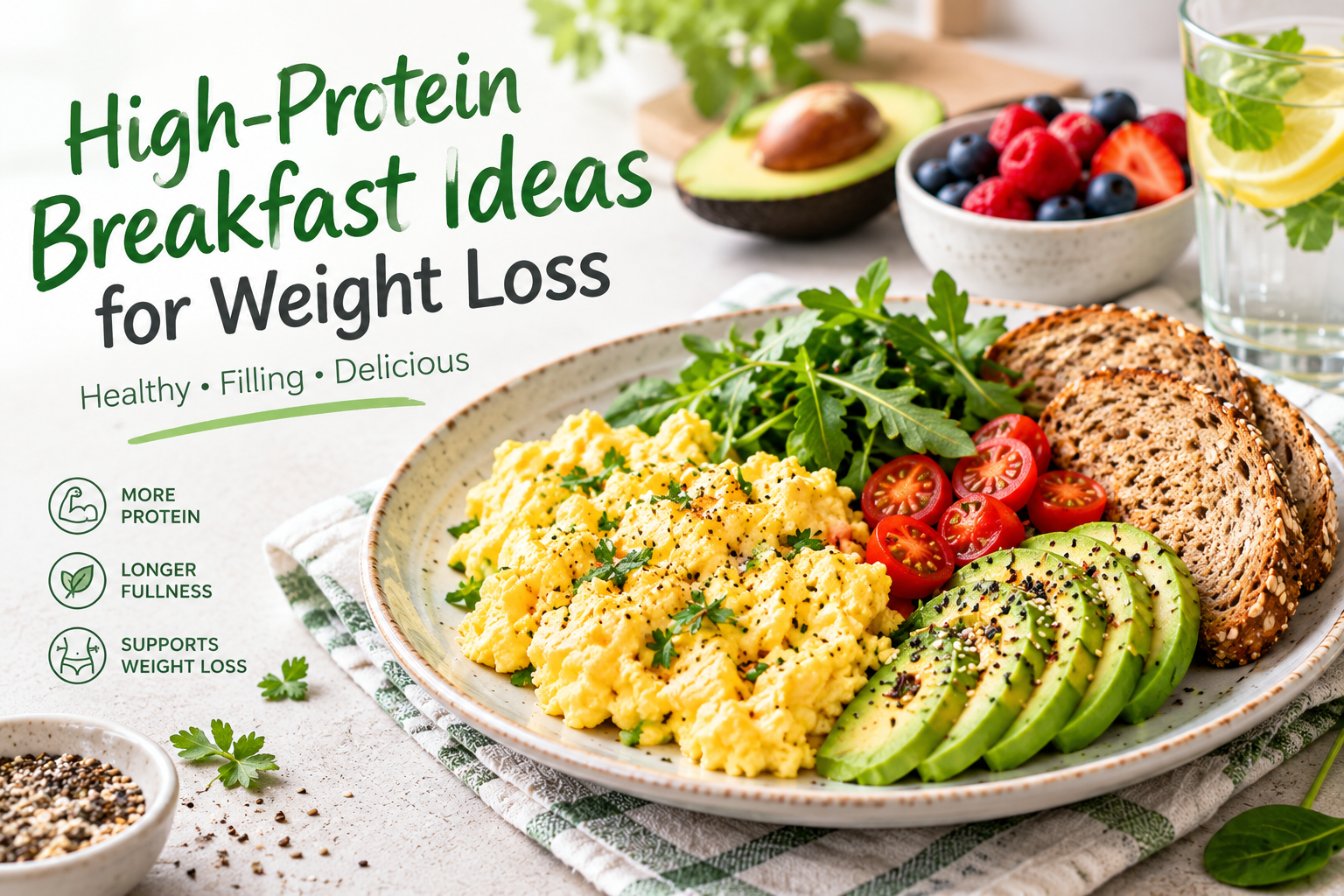
Trying to lose weight while starting the day hungry can make healthy eating feel harder than it needs to be. A protein-rich breakfast can be a practical way to build a more satisfying meal, especially when you combine protein with fiber-rich foods, fruit, vegetables, and whole grains. If you are looking for high-protein breakfast ideas for weight loss, the goal is not to find a magic food—it is to create simple breakfasts you enjoy and can repeat consistently.
Protein is an essential nutrient, and healthy protein sources can be part of a balanced eating pattern. Harvard’s Nutrition Source notes that protein-rich foods can help you feel full for longer, while also emphasizing that the overall quality and source of the protein matter. Learn more about protein from Harvard’s Nutrition Source.
Why Choose a High-Protein Breakfast?
A satisfying breakfast can make it easier to manage hunger through the morning. Protein-rich foods tend to be more filling than many highly refined breakfast options, and choosing minimally processed foods can help you build a meal with more nutritional value.
That does not mean breakfast has to be extremely high in protein or that protein alone causes weight loss. Weight management depends on your overall eating pattern, portions, activity, sleep, and many other factors. A useful approach is to pair a protein source with fiber and nutrient-rich foods while keeping portions appropriate for your individual needs.
10 High-Protein Breakfast Ideas for Weight Loss
1. Greek Yogurt and Berry Bowl
Start with plain Greek yogurt and add berries, chia seeds, and a small handful of nuts. Greek yogurt provides protein, while berries and chia seeds add fiber and flavor. Choose unsweetened yogurt when possible and adjust the toppings to fit your hunger and calorie needs.
2. Veggie and Egg Scramble
Cook eggs with spinach, mushrooms, tomatoes, onions, or peppers. Add a side of whole-grain toast for carbohydrates and extra fiber. This is one of the easiest high-protein breakfast meals to customize with whatever vegetables you already have.
3. Protein Oatmeal
Make oatmeal with milk or an unsweetened fortified plant milk, then stir in Greek yogurt after cooking. Top it with berries, cinnamon, chia seeds, or a small spoonful of nut butter. Oats provide whole grains and fiber, while the added protein makes the bowl more substantial.
4. Cottage Cheese and Fruit
Cottage cheese is a convenient protein-rich breakfast option. Serve it with berries, sliced peaches, apples, or another favorite fruit. For crunch, add a few walnuts or pumpkin seeds.
5. High-Protein Breakfast Smoothie
Blend plain Greek yogurt with berries, spinach, milk or an unsweetened plant milk, and chia or flax seeds. A smoothie can be especially useful on busy mornings. Keep an eye on portions of calorie-dense ingredients such as nut butter, and avoid relying on sugary syrups or sweetened juices.
6. Avocado and Egg Whole-Grain Toast
Top whole-grain toast with mashed avocado and eggs. Add tomato, cucumber, arugula, or chili flakes for extra flavor and produce. Because avocado is energy-dense, a moderate portion can help keep the meal balanced.
7. Breakfast Burrito Bowl
Combine scrambled eggs or egg whites with black beans, salsa, tomatoes, peppers, and a small serving of brown rice or whole-grain tortilla. Beans provide both protein and fiber, making them a useful addition to a filling breakfast.
8. Overnight Oats with Greek Yogurt
Mix oats, Greek yogurt, milk, chia seeds, and cinnamon in a jar and refrigerate overnight. In the morning, add berries or sliced banana. Preparing breakfast the night before can make it easier to stick with a nutritious routine when mornings are busy.
9. Smoked Salmon and Egg Plate
Pair eggs with smoked salmon, cucumber, tomatoes, and whole-grain toast. Salmon is a protein-rich food that also provides omega-3 fats. Because smoked salmon can be high in sodium, use a sensible portion and balance the meal with fresh foods.
10. Tofu Breakfast Scramble
For a plant-based option, crumble firm tofu and cook it with peppers, spinach, mushrooms, turmeric, and your favorite seasonings. Serve it with whole-grain toast or a small portion of potatoes and fresh fruit. Tofu, beans, nuts, and seeds are examples of plant protein sources highlighted by Harvard’s Nutrition Source.
How to Build a Balanced High-Protein Breakfast
Start with a Protein Source
Choose eggs, Greek yogurt, cottage cheese, tofu, beans, fish, or another protein-rich food you enjoy. You do not need to force yourself to eat a food you dislike simply because it is high in protein.
Add Fiber-Rich Foods
Fruit, vegetables, oats, whole grains, beans, chia seeds, and nuts can add fiber and texture. Harvard recommends emphasizing vegetables, fruit, whole grains, healthy fats, and healthy protein sources as part of an overall healthy eating pattern.
Watch the Extras
A breakfast can be nutritious and still become very calorie-dense if it contains large amounts of sugary sauces, sweetened drinks, granola, nut butter, cheese, or other energy-dense toppings. You do not have to eliminate these foods; simply use portions that fit your goals.
Easy Tips for Making High-Protein Breakfasts a Habit
Meal prep ahead: Prepare overnight oats, boiled eggs, chopped vegetables, or smoothie ingredients in advance.
Keep convenient staples: Plain Greek yogurt, eggs, canned beans, cottage cheese, oats, frozen berries, and whole-grain bread can make quick breakfasts easier.
Change flavors: Use different herbs, spices, fruits, vegetables, and toppings so the same basic ingredients do not become boring.
Think beyond protein: A balanced breakfast should provide more than protein. Include produce, whole grains, or other nutrient-rich foods according to your preferences and needs.
Need More High-Protein Breakfast Inspiration?
If you want more ideas beyond these quick breakfasts, explore our The High-Protein Cookbook for easy, protein-focused recipes you can use throughout the day.
For additional evidence-based guidance, see the Harvard Nutrition Source guide to choosing healthy protein foods and its overview of food quality and healthy weight.